Surge Season Playbook: Staffing Prom, Holidays and Weddings with Vetted On-Call Chauffeurs
2026-10-31
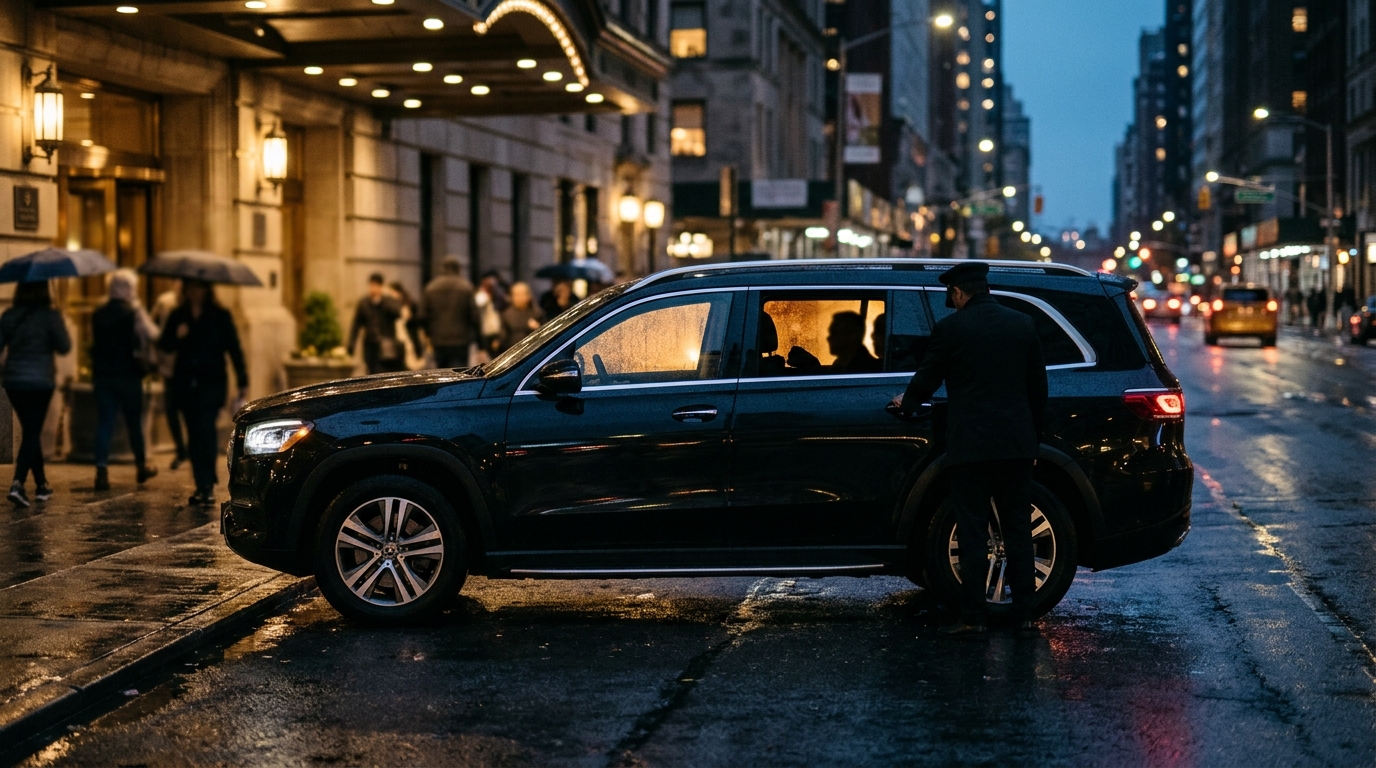
Every operator knows the weekend. Three proms, two weddings and a corporate dinner all want a vehicle at 5pm, and your regular roster covers about two-thirds of it. What you do in the weeks before decides whether that day runs smoothly or turns into a string of apologies.
This is how we would approach it if we were running the desk.
Look at your own calendar first
Your booking history is the best forecast you have. Pull the last two or three years and mark the dates where you turned work away, double-booked, or paid over the odds for last-minute cover. Those are your pressure points.
Then list what moves each year and what does not. Prom dates are set by schools and change. Wedding Saturdays cluster in particular months. Holiday weeks, such as the run-up to Christmas or New Year's Eve, are fixed but the demand shape differs: more airport transfers, more late-night point-to-point, more multi-stop evenings.
Write down, for each peak, how many vehicles of each type you will probably need and at which hours. Hours matter as much as totals. Ten cars needed across a whole day is a different problem from ten cars needed between 4pm and 7pm.
Build a bench before you need it
The worst time to find an extra chauffeur is the Thursday before the event. Build an on-call bench in the quiet months instead.
A useful bench has three layers:
- Your core team, with agreed extra availability for peak dates, asked for early rather than assumed.
- Regular part-timers and retained drivers who already know your standards and have worked with you before.
- Affiliate operators you have worked with or checked properly, who can supply a vehicle and a chauffeur under your brand rules.
Keep the bench list current. Names, phone numbers, vehicle types, areas covered and the dates each person has said they can work. A shared spreadsheet is the minimum; having those profiles inside your dispatch system is better, because you can assign from the same place you manage the booking.
Vet them before the season, not during it
On-call does not mean unchecked. A driver you have never met representing your company at a wedding is a risk you can avoid.
Before anyone goes on the bench, confirm the basics: licence and any local operating permits, the insurance that applies to their vehicle and the type of work, a background check appropriate to your jurisdiction, and a vehicle inspection. Keep copies of documents and record expiry dates so nothing lapses mid-season.
Then do a short in-person or video onboarding. Cover your dress code, how you want clients greeted, how you handle waiting time, and what to do when a customer is late or difficult. People who have been briefed once cope much better on a crowded night.
Check vehicles as carefully as people
Surge demand exposes weak fleet management. Before the peak, have every vehicle, yours and any partner's, checked for cleanliness, tyres, lights, climate control, and interior condition. Prom and wedding clients notice a stained seat or a warning light immediately.
Also confirm capacity realistically. A vehicle that seats eight on paper may not seat eight in formal wear with luggage or dresses. If a booking is tight, say so at the quote stage.
Hold back a reserve vehicle for the biggest dates if you can. One spare car on standby costs less than a failed pickup.
Tighten the booking terms
Peaks are where loose terms hurt most. Decide your rules early and apply them consistently:
- Minimum hours for event dates, if you use them.
- Deposits taken at booking, with a clear cancellation window.
- A set policy for wait time, extra stops and overtime.
- Confirmed passenger counts, with a deadline for changes.
Put these in the quote and the confirmation, not just on the website. When a prom group of eight turns into twelve the day before, you want a written policy to point to.
Brief everyone the same way
A week before each peak date, send every chauffeur a clear itinerary: pickup address and time, passenger contact, route notes, drop-off details, and what the client has been told. Include anything unusual, such as photo stops, a venue with restricted access, or a parent who needs to approve the pickup.
This is where a chauffeur app earns its place. Drivers who can see their assignments, updates and client notes on their phone make fewer calls to the office, and your dispatcher gets time back for real problems.
Run the day with a buffer
On the day, schedule with slack. Do not build a roster where one late return cascades through four jobs. Leave gaps between bookings for traffic, photos and the usual overrun.
Assign one person to watch the board and nothing else. Their job is to spot a late vehicle early, move a job to the bench, and warn the client before the client has to ask. Confirm each pickup with the chauffeur the evening before and again an hour out.
Review it afterwards
When the season passes, look at what happened. Which bench drivers performed well and should be asked back? Which dates still left you short? Where did you lose money on overtime or cover? Feed that into next year's forecast while it is fresh.
Surge work is rarely about heroics on the day. It comes down to a vetted bench, clear terms and a dispatch desk that knows who is available. Get those in place early and the busiest weekend of the year looks a lot like any other.