Running Roadshows and Multi-Vehicle Group Transfers for Conferences and Corporate Events
2026-11-03
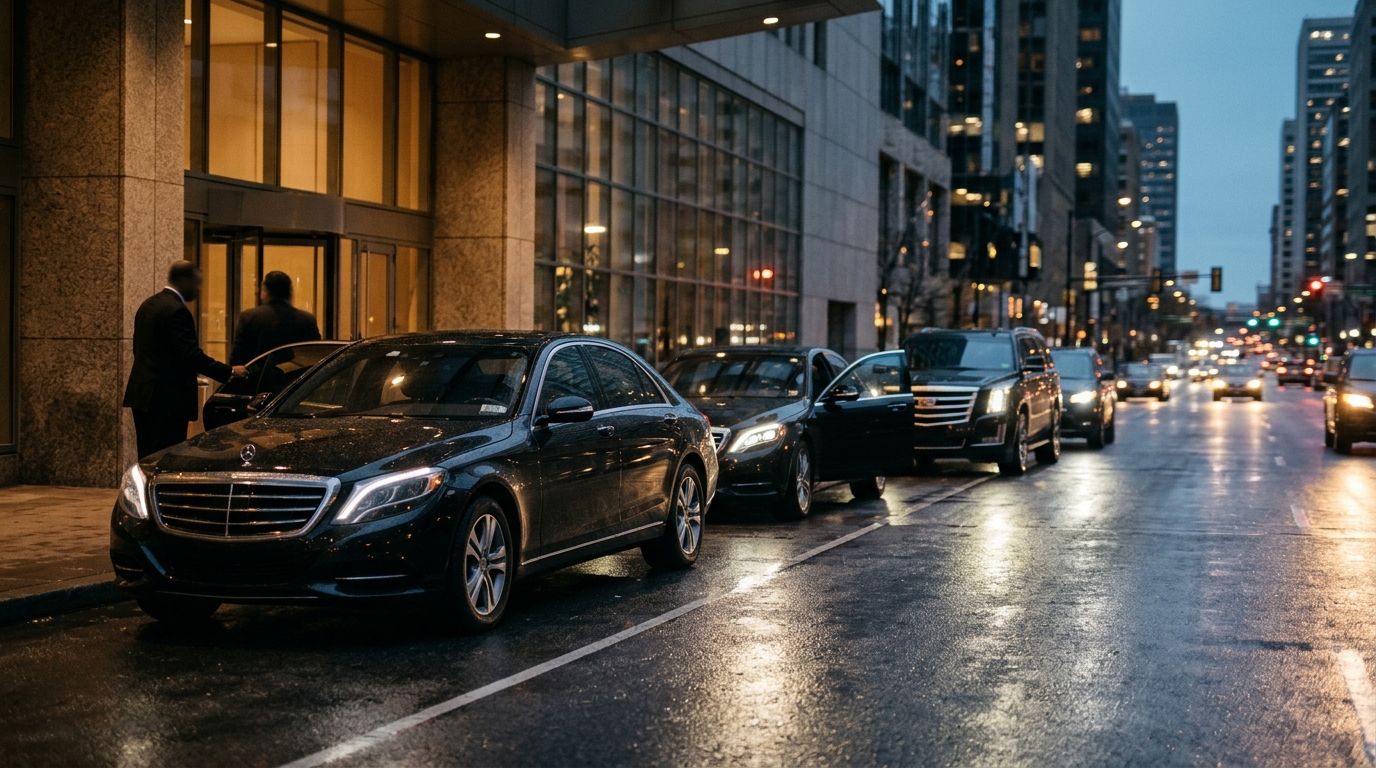
A single airport pickup forgives a lot. If you are five minutes late, one person waits. A roadshow or a conference transfer with twenty vehicles forgives almost nothing, because every small slip is multiplied and the client's senior people are watching.
The operators who handle this work well are not necessarily the ones with the biggest fleet. They are the ones who plan it as one job rather than thirty separate bookings.
Know which kind of job you are running
The two types look similar on a quote but behave differently on the day.
A group transfer moves many people between fixed points, usually airport to hotel, hotel to venue, or venue to dinner. The pressure is volume and timing: arrivals bunch up, flights slip, and passengers appear in waves.
A roadshow moves a small group, often executives or presenters, through a sequence of stops across one day or several. The pressure is the chain. One late departure at stop two affects stops three, four and five.
Ask the client early which one they think they are booking. Many describe a roadshow as a transfer, and the pricing and staffing assumptions that follow are wrong.
Scope before you quote
Before quoting, get the answers you will otherwise discover at the worst moment:
- Who is the single point of contact on the client side, and are they reachable throughout the event?
- Is there a confirmed passenger list, and who updates it when it changes?
- What are the exact pickup and drop-off points, including which terminal, hotel entrance or venue gate?
- Are there access restrictions, accreditation requirements or marshalling areas at the venue?
- Which passengers are VIPs, need accessible vehicles, or are travelling with luggage or equipment?
Put the answers in writing and send them back to the client for confirmation. This is your reference when the plan changes, and it will.
Build one run sheet, not many bookings
The most common failure in multi-vehicle work is information scattered across individual bookings, spreadsheets and messages. Nobody can see the whole picture, so nobody can spot the clash.
Keep a single master run sheet for the event. For each movement it should show the time, pickup, destination, passenger or group, vehicle, chauffeur and any notes. Link the individual reservations to the event so that a change in one place is visible to the dispatcher, not buried in one booking.
Whatever system you use, the test is simple: can your dispatcher, on a busy morning, see every vehicle on the event and its status without opening ten screens?
Allocate vehicles and chauffeurs deliberately
Do not assign chauffeurs in the order bookings arrive. Think about the job.
Put your most experienced chauffeur on the lead vehicle and on any VIP movement. Keep vehicle types consistent within a group where you can, since a mixed fleet makes passengers compare. Where a roadshow runs for several days, keep the same chauffeur with the same passengers. Familiarity reduces questions and speeds up every pickup.
Check chauffeur hours against the schedule. A long event day plus an early start the next morning can quietly breach your own limits, and fatigue shows up late in the day when the pressure is highest.
Plan buffers and spares
Build slack into the plan rather than hoping for a clear road.
Hold at least one spare vehicle and chauffeur on standby for any sizeable event, positioned near the main venue or hotel rather than at your yard. A breakdown, a no-show or an unexpected extra passenger then costs you minutes instead of a failed transfer.
For shuttle loops, work out a realistic cycle time by driving the route at the relevant time of day. Do not use a map estimate from a quiet hour. For roadshows, add a margin between stops that covers the realistic overrun of a meeting, not the scheduled one.
Brief the chauffeurs properly
Send each chauffeur a clear brief the day before: their runs, the contact on site, the exact pickup point, the dress standard, and who to call if something changes. A short group briefing before a large event, even by phone, avoids a lot of radio chatter later.
On the day, the chauffeur app is your main line. Chauffeurs should be able to see changes to their jobs as they happen, and you should be able to see when they have accepted, arrived and completed. If a chauffeur has to phone to ask where to go, the brief was not good enough.
Dispatch actively on the day
Assign one dispatcher to the event, and give them nothing else to do during the peak. Their job is to watch arrivals, flight changes and vehicle positions, and to move resources before a problem appears.
Agree one channel for client changes. When the organiser phones three different people with three different updates, mistakes follow. Everything routes through the event dispatcher, who updates the run sheet and tells the chauffeurs.
Invoice cleanly
Corporate clients want a single invoice, often split by cost centre or department. Decide this at the start, not after the event. Record extras such as waiting time, additional stops and late changes as they happen, with the client's confirmation, so the invoice matches what they already agreed to.
Send the invoice promptly with a summary of the movements. A clear itemised record settles most queries before they are raised.
Debrief afterwards
Within a few days, review what happened: where timings slipped, which changes came late, which chauffeurs excelled. Keep the notes with the client record. The next event for the same client starts with a better plan, and the planning is where these jobs are won.