Last-Minute Cancellations and No-Shows: Protecting Revenue Without Losing the Client
2026-10-25
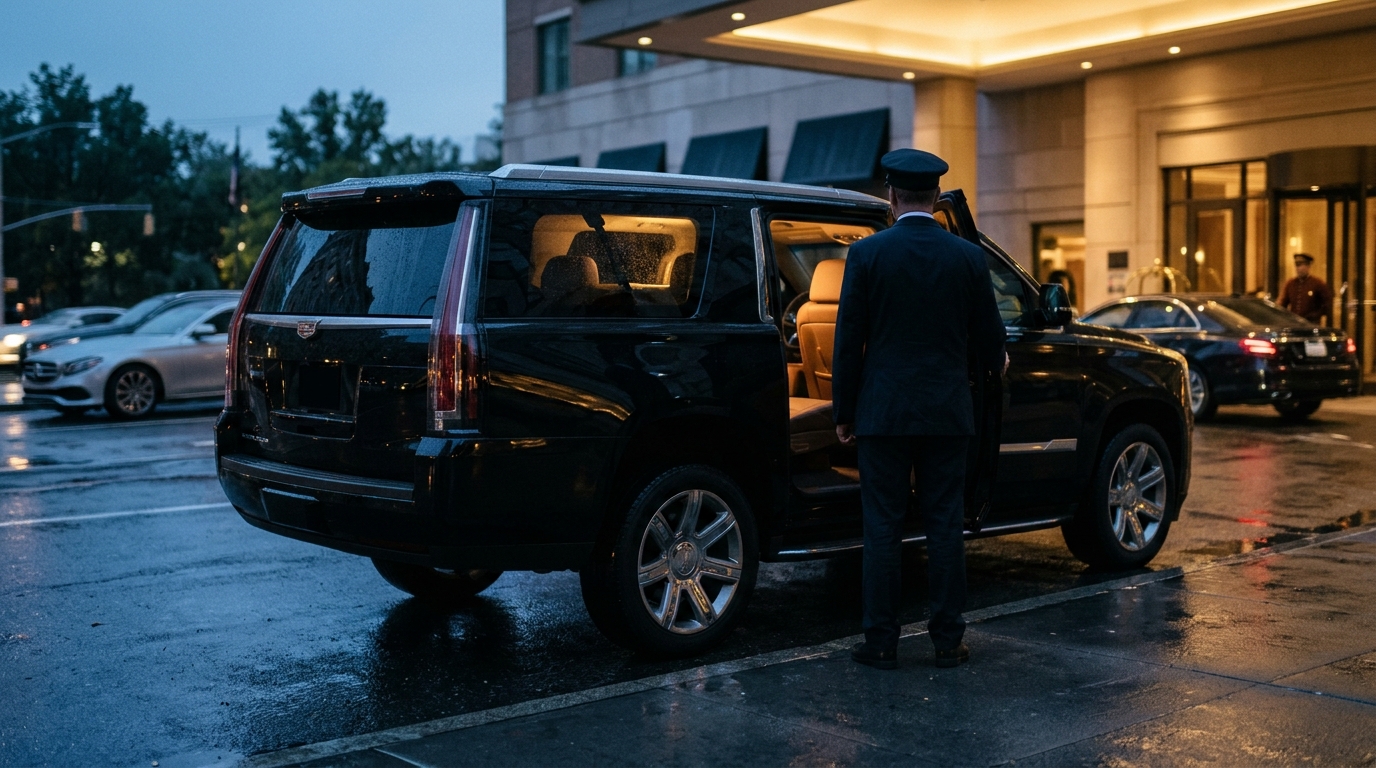
Every operator has had the call. The car is washed, the chauffeur is in position, and the client rings forty minutes before pickup to say the trip is off. Or worse, the chauffeur sits at the address for half an hour and nobody comes out.
You can't prevent these entirely. What you can control is whether they cost you only the lost job or the client as well. Most of that comes down to preparation, not the conversation in the moment.
Treat cancellations and no-shows as different problems
They get lumped together, but they call for different handling.
- Late cancellation: the client tells you in time for you to act, but not in time to resell the vehicle or the chauffeur's day.
- No-show: the chauffeur arrives, waits, and the passenger never appears.
- Near no-show: the passenger is late, lost, or at the wrong terminal or entrance.
The third category is where most disputes start. Many apparent no-shows are really failed handovers, and a chauffeur who phones the passenger early can turn one into a completed trip.
Write the policy before you need it
A cancellation policy you invent while arguing with a client will always feel like a penalty. One that was agreed at booking feels like a term of service.
Keep it short enough to read in under a minute. It should cover:
- The cutoff for free cancellation, expressed as hours before pickup.
- What is charged after that cutoff, and whether it differs for airport transfers, hourly hire and events.
- How long a chauffeur will wait, and when waiting time starts being billed.
- What happens when a no-show occurs: full fare, partial fare, or something else.
The actual numbers are your call. They should reflect your costs, your vehicle type and how hard a slot is to resell. A stretch limousine booked for a Saturday night is a different proposition from a sedan on a Tuesday morning, and your policy can say so.
Put it in front of the client twice
A policy buried on your website does not count. Show it at the point of booking and repeat it in the confirmation message. If your reservation system lets you attach terms to a booking or confirmation, use that, so the wording the client saw is the wording you refer back to later.
For corporate accounts and travel agencies, agree the terms in writing when the account is set up. Bookers change, and the new assistant will not have read what their predecessor signed.
Give chauffeurs a fixed no-show routine
Improvisation on the kerb creates inconsistent outcomes and awkward disputes. Give your chauffeurs a simple sequence:
- Arrive early and confirm position with dispatch.
- Contact the passenger as soon as the pickup time passes, by phone first.
- Tell dispatch when contact has been attempted and what the response was.
- Stay for the agreed wait period, then release only on dispatch's instruction.
- Record arrival time, attempts and departure time.
The point of step 5 is evidence. If a client later disputes a charge, you want timestamps and contact attempts, not recollection. Whatever you use for the chauffeur app and trip records, make sure these events are captured as the job happens and not reconstructed the next day.
Also keep the decision with dispatch. A chauffeur should never be the one telling a passenger they will be charged.
How to have the conversation
When you contact a client about a fee, lead with the facts and not the penalty.
"Our chauffeur arrived at 6:10 and waited until 6:40. We called twice and left a message. Under the terms confirmed at booking, the trip is chargeable. I wanted to let you know before the invoice goes out."
That is calm, specific and gives them room to respond. Compare it with a terse invoice line that appears with no explanation. The first invites a conversation, the second invites a chargeback.
Know when to waive
A rigid policy applied without judgement loses good clients. A policy never enforced is not a policy. The middle ground is a clear rule for waiving, applied consistently.
Reasonable grounds often include a genuine emergency, a flight cancelled by the airline, or a first offence from a long-standing account. Less reasonable ones include repeated last-minute changes from the same booker.
When you waive, say so explicitly and note it on the account: "We have waived the fee this time because of the flight cancellation." That keeps the goodwill visible and sets expectations for next time.
Offering a credit toward a future trip is another option, and it often costs you less than a refund while keeping the booking in your system.
Look for patterns
One no-show is an incident. Three from the same account is information. Review cancellations periodically by client, booker, booking channel and time of day. You may find that most come from one agency, one type of event, or bookings made very far in advance. That tells you whether to adjust deposits, confirmation reminders or the terms for that account.
A reminder message the day before, asking the client to confirm pickup details, prevents more near no-shows than any fee does.
The relationship is the asset
The fee on a single cancelled trip is small next to the lifetime value of a regular client. Aim to be the operator who was clear in advance, documented what happened and handled the conversation fairly. Clients accept charges from companies they feel were straight with them, and they remember the ones who were not.