Handling After-Hours and Overnight Bookings Without Burning Out Your Dispatchers
2026-11-02
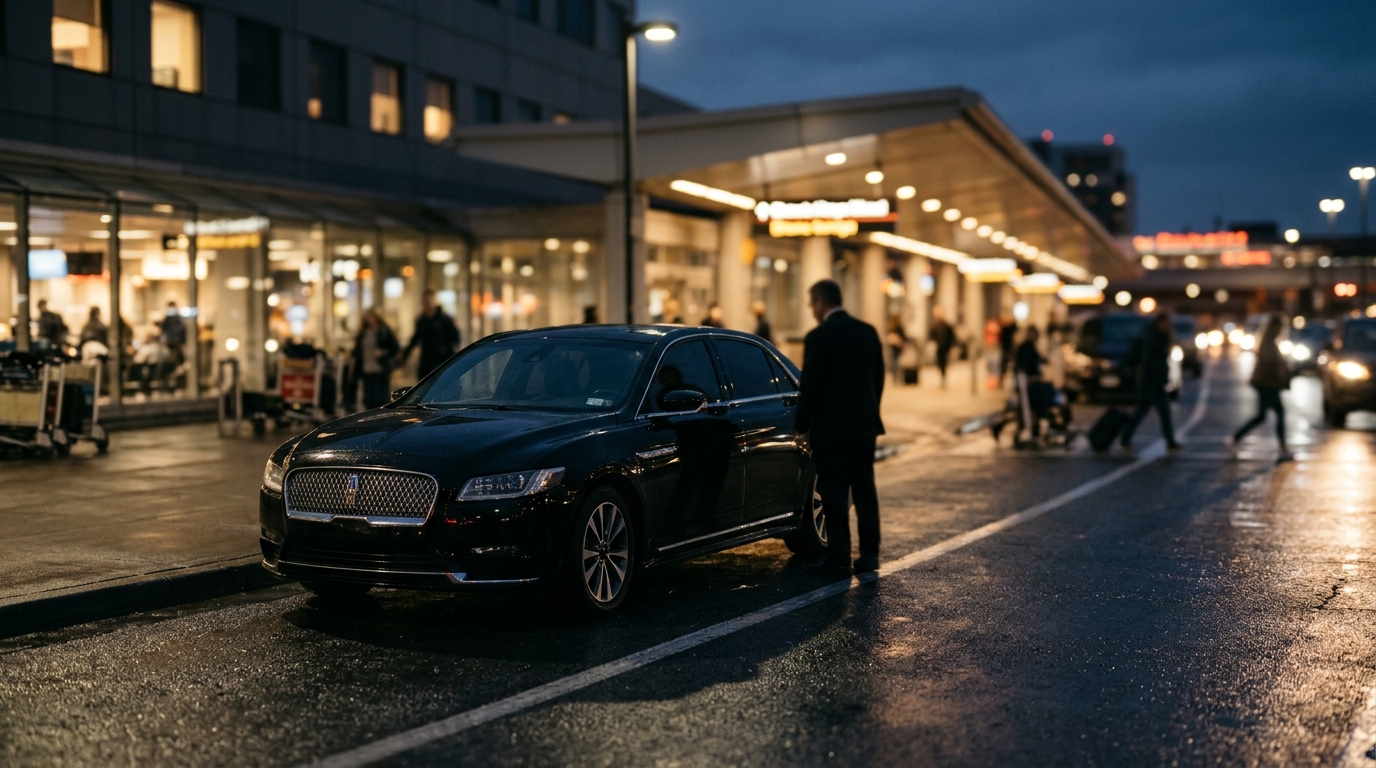
Most black car companies do not have a night problem. They have a boundary problem. The work that arrives after 10pm is usually valuable: airport transfers, event pickups, executive travel. But when it all lands on one dispatcher's phone, with no rules and no end to the shift, you get tired people making expensive mistakes.
Here is how to keep the work and protect the people.
Decide what after-hours service actually means
Before you change any process, write down what you promise. Many operators never do, so the promise defaults to whatever the last dispatcher agreed to at midnight.
Settle three things:
- Which hours are staffed. Be exact. Live phone cover until a set time, then something different.
- What can be booked without a human. Standard transfers on known routes can often be confirmed without anyone touching them.
- What needs a person. Multi-stop itineraries, large groups, unusual vehicles and anything with special instructions.
Once this is written, your dispatchers are enforcing a policy rather than negotiating with each caller.
Set cut-off times for same-night and next-morning requests
The requests that cause the most stress are the ones that arrive at 11pm for a 5am pickup. Nobody has had time to check driver availability, and the dispatcher is guessing.
A simple cut-off helps. For example, anything for before a certain hour the next morning must be requested by a certain time the evening before. Requests after that go into a review queue and are confirmed when someone is on shift, unless you have an on-call arrangement.
Customers accept rules when they are stated clearly at the point of booking. They resent them when they are sprung on them by a tired voice on the phone.
Let routine bookings go through without a dispatcher
A large share of overnight contact is simple: a customer wants a car from the hotel to the airport, and the details are clear. If your reservation system lets customers book online against the rules you set, those requests can arrive fully formed, with flight number, passenger count, luggage and pickup address already captured.
That changes the dispatcher's morning from taking down details to reviewing a clean list. Calls tend to drop for the same reason: fewer people need to ring to ask whether something is possible.
The trade-off is that you must be honest about what the online form can promise. If a booking is a request rather than a confirmation, say so on the screen and in the email.
Use an on-call rota, not a heroic individual
If your best dispatcher answers every late call because they are quick and reliable, you are spending them down. Eventually they leave, or they become slow and short with customers and drivers.
A workable on-call structure has a few features:
- A named person each night. Everyone, including the owner if needed, knows who it is.
- Defined triggers. On-call is for live trips with problems, driver no-shows, and urgent changes to confirmed jobs. It is not for new quotes.
- Fair rotation. Spread nights evenly and let people swap.
- Recovery time. If someone handled a difficult night, they should not open the next morning.
- Real compensation. Pay for being available, not just for the calls that come in. How you do that is your decision, but unpaid on-call breeds resentment quickly.
Give drivers a way to resolve things without the phone
A lot of night-time calls to dispatch come from chauffeurs, not customers: where to meet the passenger, whether a flight has landed, what the pickup instructions say. Much of that can be answered if the job details are complete and visible in the chauffeur app.
So the fix is partly upstream. Make sure every job has the meeting point, a contact number and notes written in plain language before the driver goes off shift. A dispatcher who spends ten minutes tidying tomorrow's early jobs at the end of the evening saves several interruptions at 4am.
Build a proper handover
Burnout is often a handover problem. The night person does not know what the day person promised, and the day person inherits surprises.
Keep the handover short and in writing:
- Jobs confirmed overnight and by whom
- Requests left pending, with the customer's deadline for a reply
- Any driver who is running late or has reported an issue
- Customers who were told something unusual
If this lives in your dispatch system as notes against the booking, rather than in a text thread or someone's memory, it survives the shift change.
Price the inconvenience honestly
If you do not charge differently for late-night and early-morning work, you are asking staff and drivers to absorb the cost. Consider whether an out-of-hours supplement is appropriate for your market, and state it up front on the quote and the booking confirmation. We are not suggesting a figure here, because it depends on your area, your drivers' terms and your competitors. The point is that unsocial hours should be a decision you make, not a cost that falls on whoever picks up the phone.
Review it monthly
Look at what actually came in overnight. How many requests could have been handled by the booking form? How many on-call calls were true emergencies? Which customers regularly request outside your cut-offs?
The answers will tell you whether to move the cut-off, add a second on-call person, or adjust how you take bookings. Small changes, reviewed regularly, will protect your dispatchers better than any one-off policy.
The goal is not to be unavailable at night. It is to make night work predictable, shared and properly handed over, so the person who answers the phone at 2am is rested enough to do it well.