From Online Request to Confirmed Reservation: Stop Losing Leads to Slow Replies
2026-11-06
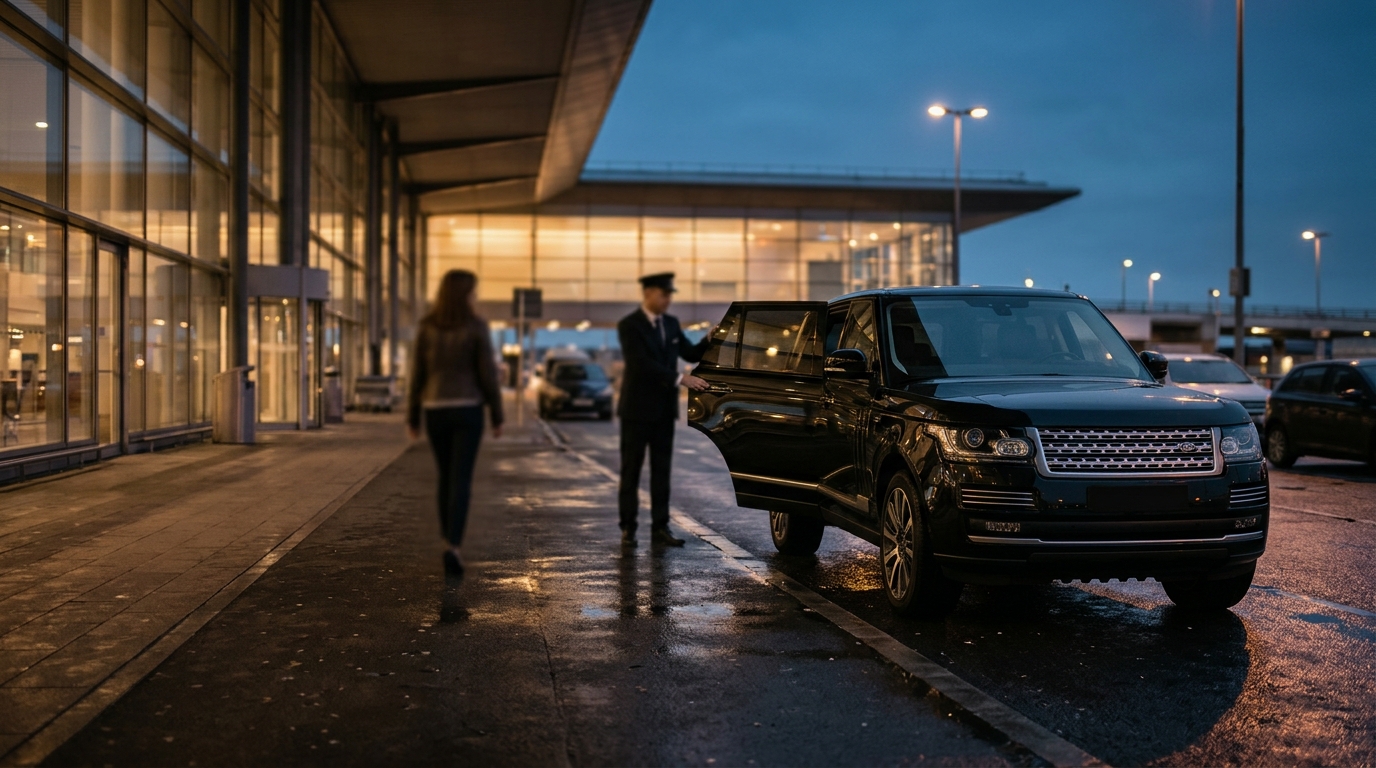
A customer who fills in your booking form is usually filling in two or three others at the same time. The one who replies first with a clear answer tends to get the job. The rest get a polite "no thanks" or, more often, silence.
Most operators know this. Fewer have built a routine that makes a fast reply the default rather than something that depends on who happens to be at their desk.
A request is not a reservation
Start with the language. A request is someone asking a question: can you do this trip, on this date, for this price? A reservation exists only when the customer has said yes and you have said yes back.
The time between those two points is where leads leak. It is rarely one big failure. It is a request that arrives at 6pm and is read at 9am, a quote that goes out without a way to accept it, or a customer who replied "sounds good" to a message nobody saw.
Treat every open request as an item with an owner and a clock, not as an email sitting in an inbox.
Give every request an owner
If three people can see new requests, usually none of them feels responsible for them. Each dispatcher assumes someone else has it.
Decide who owns incoming requests at each time of day. That might be the dispatcher on shift, the owner on weekends, or a rota that covers early mornings. Write it down. When someone is out, the handover should name who picks up the queue.
The point is that when a new request arrives, one specific person knows it is theirs.
Set a response standard you can actually meet
Pick a target for first response during staffed hours and be honest about it. Fifteen minutes you hit every time is better than five minutes you hit on quiet days. Whatever the number, make sure everyone on the team knows it.
For outside staffed hours, set expectations in the automatic acknowledgement the customer receives. Say when a person will reply, for example first thing the next morning, and then do it. A customer told "we will confirm by 8am" will often wait. A customer told nothing will go elsewhere.
Make the first reply do the work
A reply that says "thanks, we will get back to you" is an acknowledgement, not a response. The customer still has nothing to decide on.
A useful first reply contains:
- The trip as you understood it: date, time, pickup, drop-off, passenger count
- The vehicle you propose and why it fits
- The price, with what is included and what is not
- One clear next step, such as a link or a single word to reply with
Repeating the trip back catches errors early. A wrong pickup time found at this stage costs nothing. Found on the day, it costs a job and possibly a client.
If you quote a lot of similar trips, such as airport transfers, hourly hire or evening events, keep standard wording for each and adjust the details. Your dispatchers should be editing, not writing from scratch.
Check availability before you reply
Nothing damages trust like confirming a trip and then finding the vehicle or chauffeur is already committed. Look at the live schedule before you quote, not after the customer accepts.
This is where having reservations, dispatch and chauffeur availability in one system matters. If your dispatcher has to check a spreadsheet, a calendar and a WhatsApp group before answering, the reply will be slow, and sometimes wrong. If the request sits alongside the schedule it affects, the answer is quicker and more reliable.
Make accepting easy
Every extra step between "yes" and "confirmed" is a chance for the customer to drift away. Ask yourself how many actions the customer has to take to accept your quote, and whether each one is necessary.
Some trips need a deposit, card details or a signed agreement. That is fine. But ask for those at the point of acceptance, in one place, rather than in a chain of follow-up messages.
Once they accept, confirm straight away with the full trip details and who to contact if something changes. That confirmation is also your first impression of how the job will run.
Follow up, once or twice, on a schedule
A quote with no reply is not a lost lead yet. Customers get busy, forward the quote to a colleague, or simply forget.
Set a simple routine. A short follow-up the next day, and another a day or two before the travel date if the quote is still open. Keep it brief and useful: restate the trip, mention that the vehicle is held or not, and ask if they would like to go ahead.
Do not follow up endlessly. Two considered nudges are professional. Five look desperate.
Handle the awkward requests deliberately
Some requests cannot be answered in a few minutes: multi-day itineraries, large groups needing several vehicles, unusual routes. Do not let them sit because they are hard.
Reply quickly anyway. Say what you need to know, give a time by which you will send a full quote, and keep to it. A fast acknowledgement of a complex job separates you from the operator who goes quiet for two days.
Look at where requests die
Once a month, go through requests that did not become reservations. For each one, note where it stopped: no reply from you, a slow reply, a quote with no response, or a price the customer declined.
Patterns show up quickly. You may find that weekend evening requests are slow to get answered, or that one vehicle type is always unavailable when asked for. Each pattern points to a specific fix, whether that is cover, fleet or wording.
The practical takeaway
Winning more bookings does not require a louder marketing push. It requires an owner for each request, a response standard, replies that carry a price and a next step, and a short follow-up routine. Get those right and the leads you already pay to attract will convert at a higher rate.